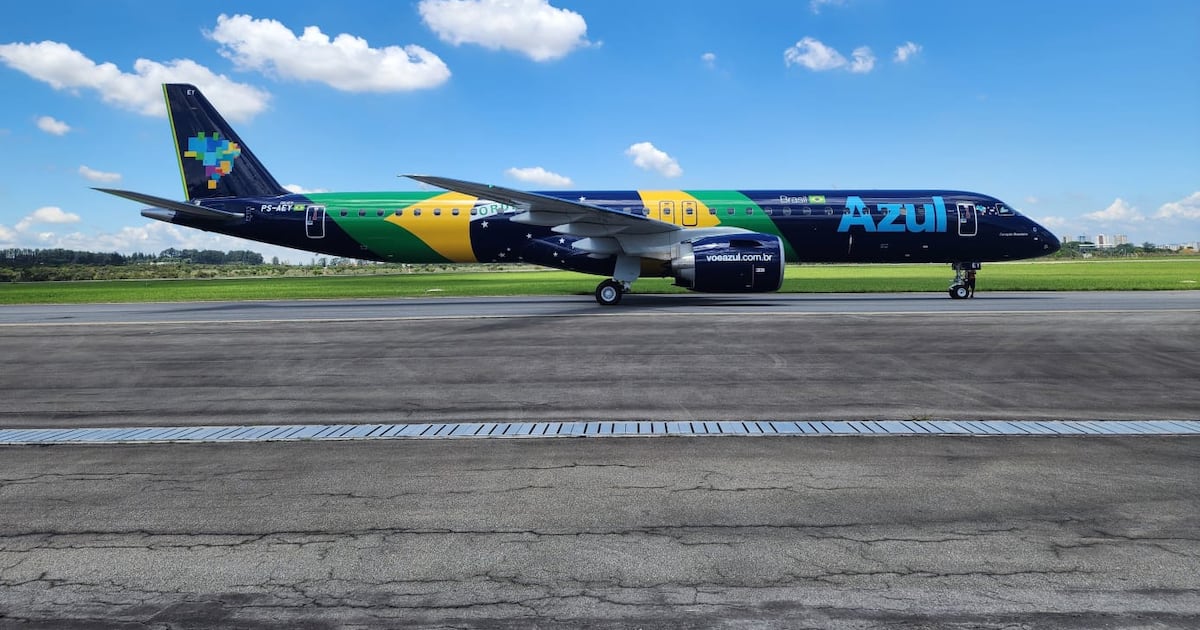
The Engines of Growth: How Azul's Fleet Powers Its Extensive Network and Drives Azul Novas Rotas
Azul Linhas Aéreas Brasileiras has carved out a unique and commanding presence in the Brazilian aviation market, distinguishing itself with an unparalleled network that connects hundreds of destinations, from bustling metropolises to remote regional towns. At the heart of this extensive reach and its continuous potential for Azul's Diverse Fleet Powers Extensive Brazil & Global Network lies a meticulously curated and strategically deployed fleet. This isn't just a collection of aircraft; it's a dynamic ecosystem designed for efficiency, passenger comfort, and, crucially, the strategic flexibility needed to explore and establish azul novas rotas (Azul's new routes) across Brazil and beyond.
The airline's operational philosophy centers on matching the right aircraft to the right market, ensuring optimal performance whether it's a short hop between interior cities or a long-haul intercontinental journey. This intelligent fleet management is what allows Azul to serve markets that others might overlook, simultaneously consolidating its position in high-demand corridors and laying the groundwork for exciting future expansions.
The Backbone of Connectivity: Azul's Diverse Fleet Strategy
Azul's commitment to comprehensive connectivity is evident in its diverse fleet, which is tailored to address the varied demands of its domestic and international operations. Each aircraft type plays a pivotal role in enabling the airline's broad reach and supporting the strategic rollout of azul novas rotas:
- Airbus A320neo (Approx. 48 aircraft): These fuel-efficient narrow-body jets are the workhorses for high-demand domestic corridors and select international flights within South America. Their enhanced passenger comfort and operational efficiency make them ideal for connecting major Brazilian cities and serving as a platform for future, busier short-to-medium haul novas rotas.
- Airbus A321neo (Approx. 6 aircraft): Offering increased capacity over the A320neo, these jets are deployed on Azul's busiest routes. Their larger size allows Azul to optimize passenger load factors on established popular routes, freeing up other aircraft for exploration into emerging markets or supporting the launch of higher-capacity azul novas rotas where demand is expected to grow rapidly.
- Embraer E195-E2 (Approx. 17 aircraft): As one of the newest additions, these advanced Embraer jets boast superior fuel efficiency and reduced emissions. They are perfectly suited for various domestic routes, providing a modern, comfortable experience while keeping operational costs low. The E195-E2's capabilities make it an excellent choice for opening up or strengthening medium-density novas rotas within Brazil.
- Embraer E195 (Approx. 45 aircraft): These robust regional jets form the very foundation of Azul's extensive domestic network. Connecting countless cities across Brazil, the E195s are instrumental in fostering regional development and serve as the critical infrastructure that allows smaller communities to access Azul's broader network. Their proven reliability is key to maintaining frequency and exploring potential new regional links.
- ATR 72-600 (Approx. 40 aircraft): Designed for short-haul flights, the ATRs are indispensable for connecting smaller cities and regional communities that might otherwise be underserved. These turboprops are the pioneers, creating the initial pathways for Azul's Fleet Strategy: Matching Aircraft to Domestic & Global Routes into truly local markets, often setting the stage for these destinations to grow into viable opportunities for larger aircraft or even new routes.
Fueling Growth: Efficiency, Comfort, and the Pursuit of Azul Novas Rotas
Azul's commitment to fleet modernization isn't merely about having the latest planes; it's a strategic investment directly impacting its ability to innovate and expand its route network. The integration of "neo" (New Engine Option) variants like the A320neo, A321neo, and A330neo, alongside the advanced Embraer E2s, brings significant advantages:
- Operational Efficiency: Fuel consumption is a major operating cost for airlines. Neo and E2 aircraft are significantly more fuel-efficient, leading to lower operating expenses. This cost saving directly translates into the financial flexibility required to experiment with azul novas rotas that might initially have lower demand but significant growth potential.
- Environmental Responsibility: Reduced emissions from modern aircraft align with global sustainability goals and provide a quieter, more pleasant experience for communities near airports. This modern approach to air travel can also influence public perception, making new routes more palatable.
- Enhanced Passenger Comfort: Modern cabins, quieter flights, and often larger overhead bins enhance the passenger experience. A comfortable journey encourages repeat business and positive word-of-mouth, which is crucial when introducing new services or developing azul novas rotas to new destinations. Features like advanced in-flight entertainment and connectivity also elevate the overall travel experience.
By leveraging these benefits, Azul can open new markets with a stronger economic footing, offering competitive fares while maintaining profitability. This strategic advantage is fundamental to the continuous development and successful launch of azul novas rotas.
Beyond Brazil: Expanding Horizons with Wide-Body Power
While Azul is renowned for its vast domestic network, its global aspirations are just as clear, supported by its wide-body fleet:
- Airbus A330-200 (Approx. 7 aircraft): These workhorse wide-body jets are primarily dedicated to Azul's long-haul international flights. They offer the range and passenger amenities necessary for transcontinental journeys, connecting Brazil to key destinations in the United States, Europe, and other parts of the world.
- Airbus A330-900neo (Approx. 5 aircraft): Representing the pinnacle of Azul's long-haul capabilities, the A330neo brings even greater fuel efficiency, extended range, and superior passenger comfort to its international routes. The advanced capabilities of the A330neo are what empower Azul to explore and establish ambitious azul novas rotas to more distant international markets, expanding Brazil's global connectivity.
The strategic deployment of these wide-body aircraft ensures that Azul can not only sustain its existing international links but also confidently pursue emerging international opportunities. The A330neos, in particular, provide the perfect platform for venturing into entirely new global territories, making long-haul azul novas rotas a tangible and economically viable possibility.
How Azul's Fleet Paves the Way for Future Network Expansion
Azul's fleet strategy is a masterclass in operational agility and market responsiveness. It enables the airline to:
- Serve Diverse Market Sizes: From high-capacity A321neos on saturated routes to ATRs serving smaller communities, Azul can enter and sustain operations in markets of all sizes. This flexibility is paramount for identifying and nurturing potential azul novas rotas.
- Optimize Frequency and Connectivity: By having a range of aircraft, Azul can tailor flight frequencies and timings to passenger demand, enhancing overall network utility. For instance, if a regional ATR route proves highly successful, it might eventually be upgraded to an Embraer E195, effectively making it a "new route" in terms of capacity and reach.
- Respond to Market Dynamics: The ability to interchange aircraft types based on seasonal demand, economic shifts, or competitive landscapes allows Azul to remain agile. This adaptability is crucial for both launching and adjusting azul novas rotas as market conditions evolve.
- Attract and Retain Passengers: A modern, comfortable fleet is a strong selling point. Passengers are more likely to choose an airline that offers a pleasant experience, especially on longer flights. This consistent quality across its fleet helps build loyalty, which is vital for the success of any new route.
For travelers eager to discover azul novas rotas, staying updated with Azul's official announcements and news channels is key. The airline frequently optimizes its schedule and introduces new destinations as part of its ongoing network development. You might find new routes emerging to previously underserved regions, or enhanced connectivity to existing popular destinations, all powered by this sophisticated fleet.
In conclusion, Azul's diverse and modern fleet is far more than just a means of transport; it is the strategic enabler of its extensive network and its relentless pursuit of connectivity. Each aircraft type, from the regional ATRs to the intercontinental A330neos, plays a calculated role in optimizing operations, enhancing passenger experience, and, most importantly, continuously opening up the exciting possibility for azul novas rotas. This intelligent fleet strategy ensures Azul remains at the forefront of Brazilian aviation, connecting more people to more places, and bridging distances across Brazil and around the globe.