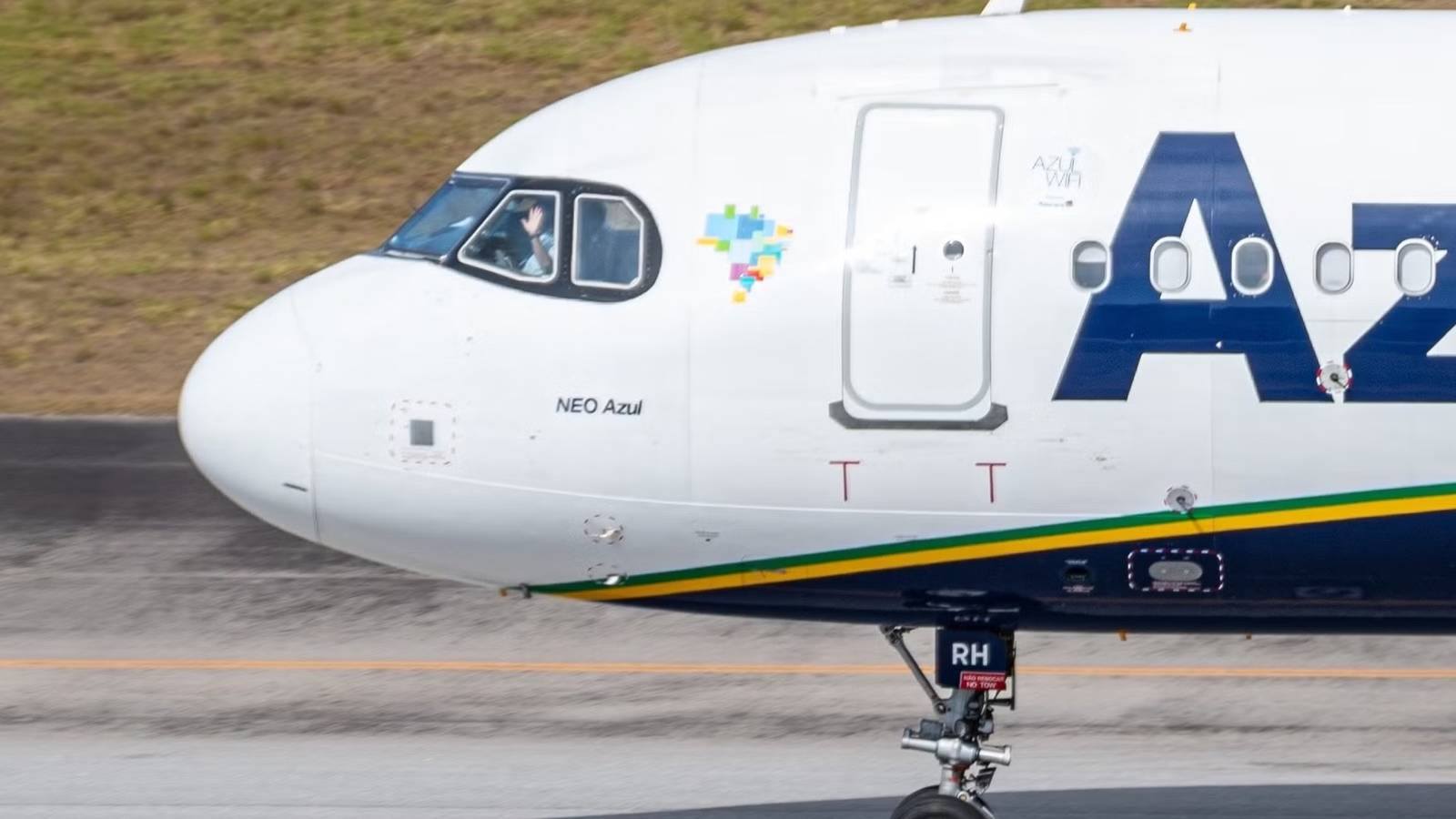
Azul's Diverse Fleet: The Engine Powering Extensive Brazil & Global Network Expansion
In the vibrant and vast landscape of Brazilian aviation, Azul Linhas Aéreas stands out not just for its extensive network but for the meticulously curated fleet that makes it all possible. Far from a one-size-fits-all approach, Azul's operational strategy hinges on a diverse array of aircraft, each perfectly tailored to specific mission profiles, ranging from ultra-regional hops to intercontinental journeys. This strategic fleet management isn't merely about logistics; it's the fundamental enabler for the airline's impressive reach across Brazil and its growing international footprint, constantly paving the way for azul novas rotas and enhanced connectivity.
Understanding Azul's fleet is key to comprehending its market leadership and its unique ability to connect myriad destinations, some of which no other major airline serves. This strategic advantage allows Azul to tap into new markets, optimize operational efficiency, and provide passengers with a seamless, comfortable experience, whether they're flying between major cities or exploring Brazil's charming regional towns. It's this adaptability that underpins the airline's capacity for continuous network development and the introduction of new routes.
The Backbone of Brazilian Connectivity: Azul's Domestic and Regional Fleet
Azul's domestic operations are a masterclass in tailored aviation. The airline utilizes a combination of jets and turboprops to ensure optimal performance and profitability across its wide range of internal routes. This segment of the fleet is crucial for Efficiency & Reach: Azul's Fleet Connects Brazil & Beyond, allowing it to serve a vast number of communities.
- Embraer E195 & E195-E2: Forming the very core of Azul's domestic operations, the Embraer E195s (around 45 aircraft) are workhorses, connecting numerous cities across Brazil. Their proven reliability and passenger comfort make them ideal for medium-demand domestic flights. Complementing these are the next-generation Embraer E195-E2s (approximately 17 aircraft). These newer jets are celebrated for their significant fuel efficiency and reduced emissions, offering an eco-friendlier option while maintaining excellent performance on various domestic routes. The E2's capabilities allow Azul to consider more environmentally conscious route expansions, supporting future azul novas rotas with sustainable options.
- Airbus A320neo & A321neo: For higher-demand domestic corridors and select short-to-medium haul international flights, Azul deploys its Airbus A320neo fleet (around 48 aircraft). These fuel-efficient narrow-body jets are a favorite among passengers for their modern cabins and enhanced comfort features. When routes demand even greater capacity, the Airbus A321neos (approximately 6 aircraft) step in. With their increased seating, these aircraft are deployed on busier routes, ensuring that peak demand is met without compromising the travel experience. The A320neo and A321neo family provides Azul with the flexibility to scale up or down based on market demand, an invaluable asset for planning new routes or increasing frequencies on popular corridors.
- ATR 72-600: Perhaps the most distinctive component of Azul's fleet for its unique market positioning is the ATR 72-600 (around 40 aircraft). These turboprops are ideal for short-haul flights to regional destinations, effectively connecting smaller cities and communities across Brazil that might otherwise be isolated. The ATRs are the bedrock of Azul's strategy to serve underserved markets, embodying its commitment to bringing air travel to every corner of the country. This regional focus is a significant driver for potential azul novas rotas, particularly in areas with burgeoning economies or tourist potential.
Bridging Continents: Azul's International Long-Haul Power
Beyond Brazil's borders, Azul extends its reach with a dedicated fleet of wide-body aircraft designed for comfort and efficiency on longer journeys. These jets facilitate the airline's crucial international connections, linking Brazil to global hubs.
- Airbus A330-200: The proven reliability of the Airbus A330-200 (around 7 aircraft) makes it a staple for Azul's international long-haul flights. These wide-body jets offer a comfortable travel experience with a range of passenger amenities, connecting key Brazilian cities to destinations in North America and Europe.
- Airbus A330-900neo: Representing the pinnacle of Azul's long-haul modernization efforts, the Airbus A330-900neo (approximately 5 aircraft) delivers enhanced fuel efficiency, reduced emissions, and superior passenger comfort. With advanced in-flight entertainment and spacious cabins, these aircraft are deployed on premium long-haul international routes, underscoring Azul's commitment to a world-class travel experience. The A330neo's extended range and efficiency profile open up possibilities for even more ambitious international azul novas rotas, reaching further into new markets with improved operational economics.
Strategic Advantage: How Fleet Diversity Drives Network Expansion and Azul Novas Rotas
Azul's fleet strategy is a masterclass in optimizing resources for maximum network reach and flexibility. By matching the right aircraft to the right route, the airline achieves unparalleled operational efficiency and opens up a world of possibilities for network growth. This approach is precisely why Azul's Fleet Strategy: Matching Aircraft to Domestic & Global Routes is so effective.
The ability to deploy an ATR for a short regional hop, an E-Jet for a mid-tier domestic route, an A320neo for a busy trunk line, or an A330neo for an intercontinental flight means Azul can adapt quickly to market demands. This adaptability is the core engine behind the airline's capacity to explore and launch azul novas rotas.
- Market Responsiveness: When a new market emerges, or an existing route experiences a surge in demand, Azul can swiftly allocate the most appropriate aircraft, ensuring profitability and passenger satisfaction. This agility is vital for capitalizing on emerging opportunities.
- Underserved Markets: The ATR fleet, in particular, allows Azul to pioneer new routes to smaller cities that would be economically unfeasible for larger aircraft. This strategy builds local demand and often sets the stage for eventually upgrading to larger E-Jets or A320neos as passenger numbers grow. This incremental approach is a textbook example of how Azul cultivates new route development from the ground up.
- Operational Efficiency: Fuel efficiency, a hallmark of many of Azul's modern aircraft (neo and E2 models), directly translates to lower operating costs. This economic advantage makes new routes more viable, allowing Azul to offer competitive fares and expand its footprint without sacrificing profitability. This focus on efficiency directly supports the financial feasibility of new route exploration.
- Seamless Connections: The diverse fleet facilitates a hub-and-spoke model where passengers from regional towns can easily connect via a larger hub (like Viracopos, Recife, or Belo Horizonte) to domestic trunk routes or international flights. This interconnectedness enhances the value proposition for travelers and strengthens the overall network, making the introduction of new direct routes more appealing over time.
The Passenger Experience: Comfort Meets Efficiency
Azul's commitment to fleet modernization isn't just about statistics; it significantly impacts the passenger experience. Each aircraft type offers distinct advantages:
- Modern Cabins: Aircraft like the A320neo, A321neo, E195-E2, and A330neo feature contemporary cabin designs, often with larger overhead bins, mood lighting, and comfortable seating.
- In-Flight Entertainment: On longer international flights, the A330neos and A330-200s offer advanced in-flight entertainment systems, ensuring a pleasant journey.
- Quieter Flights: Newer generation engines on the 'neo' and 'E2' aircraft significantly reduce cabin noise, enhancing overall comfort.
- Environmental Responsibility: For eco-conscious travelers, the deployment of fuel-efficient aircraft like the E195-E2 and the A330neo demonstrates Azul's commitment to reducing its carbon footprint, an increasingly important factor for many when choosing an airline.
From the moment a passenger steps on board an Azul flight, whether it's a quick trip on an ATR or a transatlantic crossing on an A330neo, the airline strives to provide a consistent and quality experience. This focus on passenger satisfaction is integral to building loyalty and ensuring the success of both existing routes and potential azul novas rotas.
Conclusion
Azul Linhas Aéreas' diverse and modern fleet is more than just a collection of aircraft; it's a strategically assembled toolset that underpins the airline's expansive network and its potential for continuous growth. By carefully matching aircraft capabilities to route demands, Azul ensures optimal efficiency, broad reach, and a comfortable passenger experience across Brazil and internationally. This adaptability is precisely what empowers Azul to consistently explore and launch azul novas rotas, connecting more communities and expanding travel possibilities for millions. As the airline continues to modernize and optimize its fleet, travelers can look forward to even greater connectivity and enhanced services from one of Brazil's most innovative carriers.